
Drivers, What You Say After an Injury Matters
Howard Ankin on the single sentence that protects a claim, why preserve the black box, and when a lawyer should be free to help
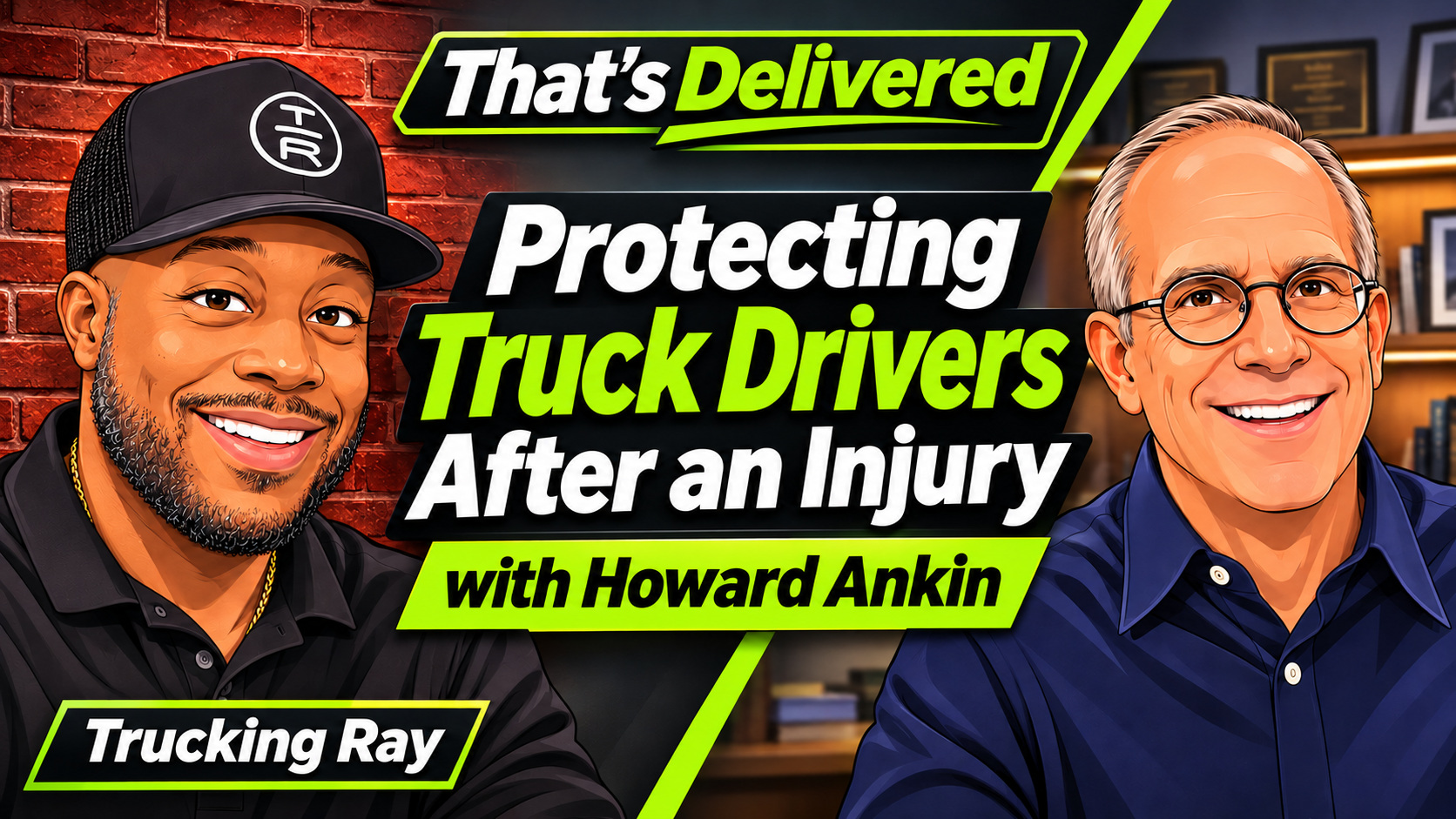
A back injury at the dock. A crash on the highway. One moment you’re working, and the next you’re wondering what happens to your health, your paycheck, and the people counting on you.
That’s where my conversation with attorney Howard Ankin begins.
“Tell somebody the second you get hurt,” Howard says.
Simple advice. But when you’re worried about losing a run, missing hours, or keeping your job, speaking up can be harder than it sounds.
On this episode of That’s Delivered Podcast, Howard walks through what drivers need to know before an injury turns into a fight over what happened.
Speak up. Keep it factual. Get it documented.
Howard’s first piece of advice: report the injury promptly and explain clearly how it happened at work.
You don’t need a long speech at the dock. You need an accurate account. His example: “Lifted a box of rocks at work today, strained my back.”
Why be that specific? Because your words become part of the record. A vague report can leave room for questions later: Did the injury happen on the job? Was there an earlier problem? Does the medical history match?
His checklist for those first hours:
Tell your supervisor right away.
Complete an incident or accident report.
Get medical attention. Howard discusses the employer’s doctor or an emergency room, depending on the situation.
Make sure your medical history accurately describes what happened and its connection to your work.
Hoping the pain goes away is understandable.
Howard’s point is that waiting can make it harder to document the injury and connect it to the job.
Your truck may hold evidence you can’t afford to lose
After a crash, the damage you can photograph is only part of the picture. Howard explains how electronic data can help establish what happened: event data recorder information, ELD records, GPS history, dispatch messages, dash-cam footage, surveillance video, and photographs.
That information may not stay available forever. Some records can be overwritten. Howard says his team sends preservation letters, brings in investigators and technical experts, and seeks court intervention when necessary to protect evidence.
For drivers, the takeaway is straightforward: document what you safely can. Save photos, timestamps, dispatch messages, and a note of who you told and when. Ask early about preserving information you can’t collect yourself.
Workers’ comp and third-party claims can serve different purposes
One injury can raise more than one legal question. Howard explains that workers’ compensation can provide benefits for medical care, lost wages, and permanent impairment. It generally does not include pain-and-suffering damages.
A third-party personal injury claim may be possible when someone outside the employer relationship bears legal responsibility, such as another driver or company. Those claims can involve broader damages, including pain and suffering. In some situations, a driver may be able to pursue both.
Howard also discusses attorney fees in Illinois workers’ compensation cases. He describes a typical contingency fee of 20% of disputed benefits, rather than 20% of every benefit a worker receives, with fees subject to commission oversight.
The details matter. Which state’s law applies, where a case belongs, and how long you have to act are questions for an attorney who understands your situation.
Call early, while the evidence is still there
For a driver with bills coming due, “call a lawyer” can sound like one more thing to deal with. Howard explains why he recommends doing it early: there may be evidence to protect, medical records to gather, and immediate questions about how a family will manage while treatment continues.
If you’re choosing an attorney, Howard recommends asking whether trucking injury cases are part of that attorney’s regular work. These cases can involve technical evidence and several potentially responsible parties.
A 1099 doesn’t settle every question
Howard also discusses pressure to keep moving and uncertainty about employment status. When a company pushes a driver to operate unsafe equipment, that decision can create liability. Drivers still need to understand their hours and pre-trip responsibilities, even when stopping means losing income.
Receiving a 1099 doesn’t automatically resolve whether someone is legally an independent contractor. Howard points to the facts: Who sets the schedule? Who directs the work? Who controls the equipment?
His advice on paperwork is practical too. If you don’t understand a form, ask for time to review it or speak with someone before signing. Union members can also involve their shop steward or business agent for workplace support and grievance procedures.
More technology brings more questions
We also talk about AI and autonomous trucks. Howard sees ways AI can speed document review, but raises concerns about client confidentiality and the expense of private systems. On autonomous vehicles, he’s cautious about safety, regulation, and liability. When something goes wrong, figuring out who is responsible may become even more complicated.
Keep this checklist in mind
Howard keeps returning to the question families face after an injury: How do we keep food on the table while this gets sorted out?
If you take a few things from this conversation:
Report the injury promptly and accurately.
Get medical attention and document how it happened.
Save the records, messages, and photos you safely can.
Ask an attorney experienced in trucking cases about your options early.
Listen to the full episode of That’s Delivered Podcast with Howard Ankin for the complete conversation and the stories behind these lessons.
Stay safe out there, and look out for one another.
Trucking Ray
...and that's delivered
This newsletter shares general information from the episode. Legal requirements vary by state and circumstances. Consult a qualified attorney about your situation.
Enjoy our NEW partnership for That’s Delivered and friends!!
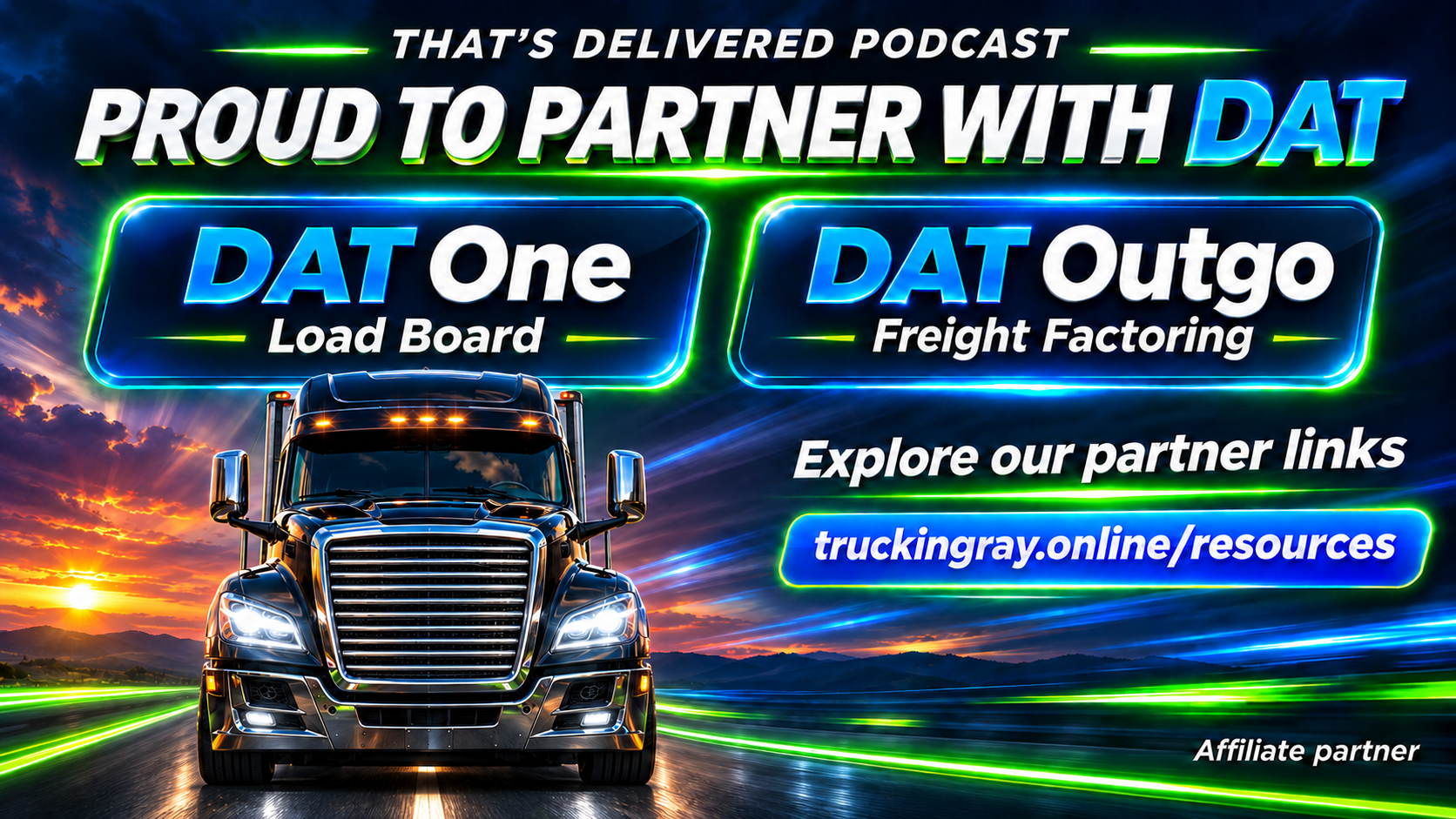
I’m excited to announce our affiliate partnership with DAT, bringing DAT One and DAT Outgo to our growing collection of trucking resources.
DAT One offers a freight load board, while DAT Outgo provides freight factoring services. If you’re looking for loads or exploring factoring for your business, start with the partner links on our resources page.
👉 Check Out: DAT One
👉 Explore: DAT Outgo
Affiliate disclosure: I may earn a commission if you sign up through my referral links.
Thank you to our sponsor: Bumper to Bumper Easy CDL

We appreciate Bumper to Bumper Easy CDL for supporting That’s Delivered Podcast and our trucking community.