How a receipt, a sticker, and 10 minutes can reconnect you
Stef Kay on junk journaling, rumble‑strip moments, and why she priced Paper Trails at 99¢ on Amazon
“I finally woke up without a knot in my stomach.” — Stef Kay
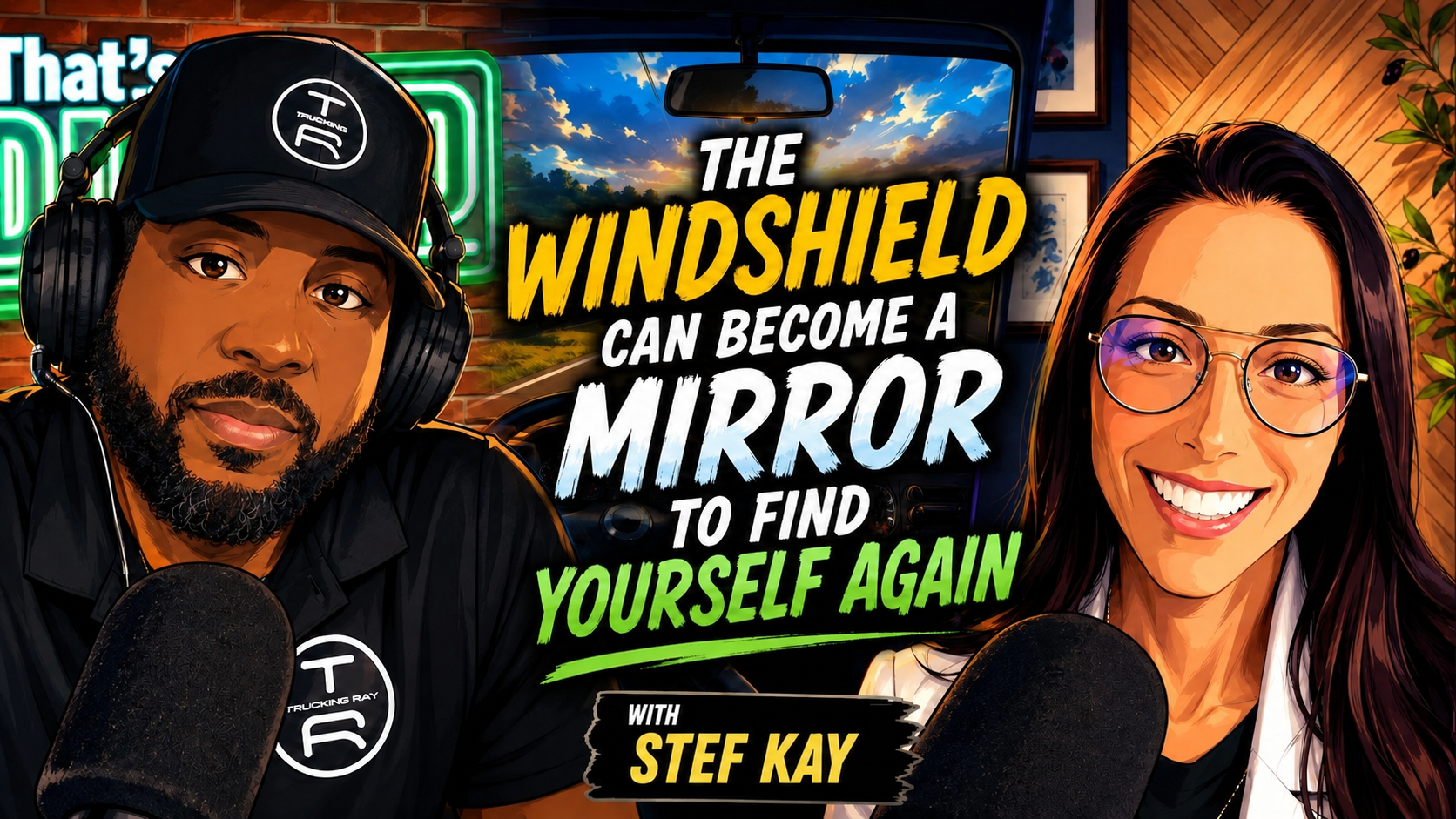
That line lands like a dashboard light you didn’t know you needed. Stef Kay spent years in sales, prototyped careers, and hit a wall in a startup role. What pulled her through wasn’t another productivity app or a weekend retreat it was a low‑pressure, oddly specific journaling habit she calls junk journaling. It’s the practice she shaped into a short, human book called Paper Trails (ebook listed at 99¢ on Amazon).
Why junk journaling works on the road
Stef’s version of journaling isn’t pages of analysis. It’s collecting the small, tangible bits of a day a receipt from a stop at Bucky’s, a napkin, a menu and turning them into a spread. For drivers who live inside long stretches of alone time, those scraps do two things: they anchor attention during the day, and they turn scattered minutes into something you can look back on.
Stef learned the method from her sister Tara at a moment when she’d pushed so long at work she couldn’t “fake it till you make it” anymore. She started saving scraps during trips and then, when she had time, pasting them into a journal and reflecting.
The result wasn’t just nostalgia. It rewired how she paid attention. She stopped living always for other people’s expectations and started noticing what actually gave her energy: a new snack, a helpful conversation, a stupidly good coffee. Those tiny signals slowly changed how she showed up.
“It actually pulled me out to awareness every moment of every day.” — Stef Kay
The rumble‑strip test: how to know when to steer
Ray translates Stef’s idea for drivers with a neat metaphor: rumble strips. Sometimes life gives you clear warnings — anxiety in the morning, a growing dread, a pattern of exhaustion. Stef’s simplest gauge for whether she was living from obligation or purpose was literal: how she woke.
If you wake up with a knot in your stomach, you’re likely running on obligation or survival.
If you can get out of bed and feel steady enough to live by your values, you’re moving toward purpose.
She also recommends a practical decision question that kept her from swinging wildly: “Am I making the best decision I can with the information I have now?” If yes, commit and move forward. If not, sit with it, collect scraps, and see what the evidence says.
That approach is useful on the road: choosing a lane, a route, a bid, or a job often looks great on paper but may feel wrong midshift. The rumble‑strip test is less about dramatic exits and more about small course corrections the ones that keep your safety, family, and sanity intact.
Three ways to try Paper Trails without pressure
Stef is allergic to perfectionism around journaling. She stopped making it a daily chore and focused on low‑friction habits that actually stick. Here are three small ways she recommends starting:
Collect, don’t force: Keep a pocket notebook or an envelope and stash receipts, stickers, or napkins during the day. You don’t need to write anything immediately.
Make one spread a week: Instead of nightly pages, pick a quiet evening and assemble the week’s scraps. Paste, label, and let the memories surface without judgment.
Start with one sentence: If writing feels like work, borrow her therapist’s prompt sit down and write how you felt that day, with no analysis. One line is progress.
Stef says the most consistent habit for her wasn’t writing, it was collecting. That small change kept attention active without adding another obligation to the end of a long day.
Travel, perspective, and surprising empathy
Two travel notes from the conversation that stick: Stef found Africa and India eye‑opening not just for the scenery but for perspective. On safari she learned the practicalities bug sprays, vaccines, and how land cruisers keep going through rough crossings and she remembered the small human details that journaling saved. In India she collected menus and ticket stubs that later became spreads with the texture of the trip she might otherwise have forgotten.
Ray also noticed something simple: trucks appear everywhere. Stef started watching semis in other countries and saw both how resourceful drivers are and how transport shapes daily life. Those observations became part of what she saved and why the practice felt so meaningful.
What this actually buys you
Paper Trails isn’t a promise that you’ll quit your job tomorrow. Stef is clear: this is not about becoming some idealized version of yourself. It’s about being more aligned, more whole, and more present. The concrete payoffs she mentions in the interview:
A clearer sense of whether you’re operating from survival or purpose.
A practical, low‑pressure way to notice the moments that matter.
A record you can actually share with family or just use to remember the trips you’d already forgotten.
If you want to test the idea, Stef priced the ebook at 99¢ on Amazon and keeps reflection prompts at the end of each chapter so readers can make the practice their own.
One last thing to keep you driving steady
You don’t need a perfect routine. You need a small practice that makes it easier to hear your own rumble strips. Stef’s trick is deceptively simple: collect one scrap, paste it, and ask how that moment made you feel. Repeat enough times and the knot in the morning loosens.
If you want more of the conversation, Stef Kay and Trucking Ray take the long view in the full episode they talk burnout, prototypes, and the question she asks herself before any major change: did I make the best decision with the information I had? If that’s the kind of practical, humane conversation you like, the episode’s worth the listen. And if you want to try the method, Paper Trails is on Amazon right now for a limited time of 99¢ (ebook).
Check Out That’s Delivered Podcast's New Home
That’s Delivered Podcast now lives at its new home on the official website, where you can find episodes, updates, newsletters, and ways to connect with the community.
Visit the new home: https://thatsdelivered.com
Even when we are off, we are online. The road never stops, and neither do we. — Trucking Ray