
How Nicole Ward built a national trucking association from scratch
Why she started AAWTA, the concrete fixes they’ve already shipped, and the everyday habits that keep her going.
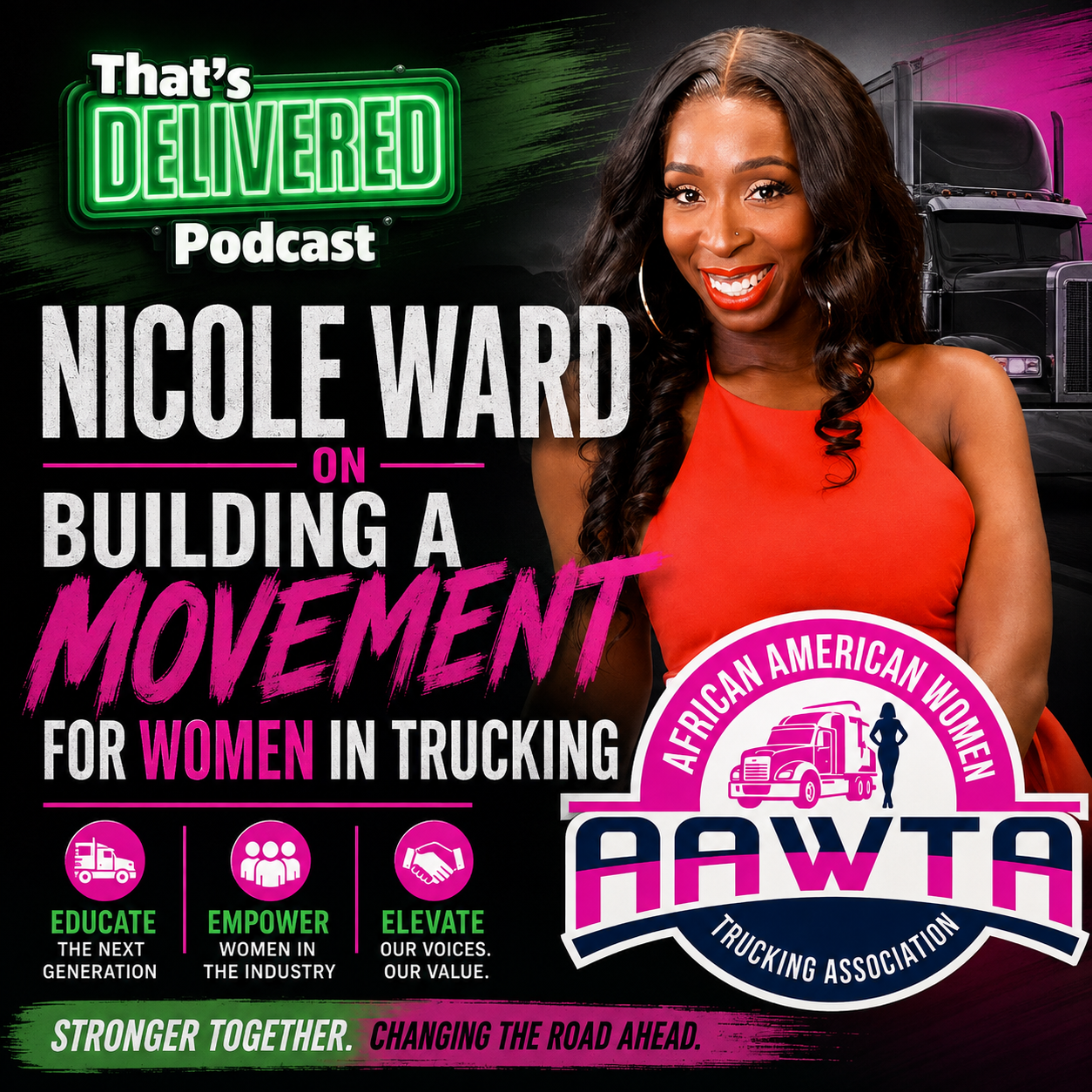
“I wanted a place where African American women could come in and have the support they need.” — Nicole Ward
Nicole Ward didn’t set out to start an association. She entered the trucking industry, kept getting asked for help, and realized there was no platform for people who looked like her. That moment—when she recognized the gap between industry leadership and the lived realities of first-generation entrepreneurs—is where AAWTA began.
The gap she saw and the problem she decided to solve
Nicole’s career began in insurance before she transitioned into trucking. What pushed her into action wasn’t theory; it was the practical lack of access to education, financing, operational tools, mentorship, and a sense of belonging. She describes the experience plainly: For many African American women, trucking is a first step toward entrepreneurship, but the system wasn’t built to support them.
Instead of simply complaining, she built solutions. AAWTA’s mission is centered on three needs she continued hearing from members: safety, opportunity, and community. That means advocating for real issues—including bathroom access and rest-stop safety—developing programs that teach operational skills, and building a network that connects newcomers with the people and tools they need.
What AAWTA has accomplished—specific wins
Nicole names concrete actions, not slogans. Here are a few highlights from the conversation:
AAWTA helped develop guidance addressing sexual assault and harassment in trucking—a safety initiative aimed at reducing some of the industry’s most underreported incidents.
The organization operates local learning spaces, including the Power Hub and Power Lab in metro Atlanta, where members can receive training, network, and access operational resources.
AAWTA is launching a marketplace and strategic partnership initiative that will give members access to discounts, tools, and 24/7 operational support.
Its signature annual gala, Power to Drive Change, takes place on December 10. Limited to approximately 300 guests, the event features a red carpet, industry executives, media partners, awards, and fundraising opportunities that help sustain AAWTA’s programming.
These are concrete operational tools: policy work, physical learning hubs, a marketplace for services, and a fundraising and networking event that keeps the association supported and visible.
“We’re creating a blueprint that is for the next generation.” — Nicole Ward
That line matters. Nicole repeatedly describes AAWTA as infrastructure—something designed to outlast any single leader and become a trusted resource for people who “don’t know where to start.”
How she leads and the habits that keep her steady
Two aspects of Nicole’s leadership stood out: the personal sacrifices she makes and the daily practices that sustain her.
Sacrifice is real. Nicole admits that she gets little sleep and carries the weight of creating history for future generations. That isn’t just a sound bite—it’s a responsibility she lives every day.
She still protects her mental health. She reads, avoids negative media, practices breathing exercises, works out, returns home to Jamaica every couple of years, and spends time with her three Pomeranians. These are small, repeatable rituals that allow her to continue showing up.
Her leadership rule is direct: “Speak up. Say it with your chest. Be confident—then take action.” Nicole rejects passive complaints; she wants people to pair every criticism with a proposed solution.
She also credits her community. Directors such as Amani Witcher and the broader team keep AAWTA’s daily heartbeat going. Nicole doesn’t currently have a mentor, but she mentors many others—a reminder that leadership networks are often lateral as well as hierarchical.
What she wants the industry to change—and where it’s improving
Nicole says the greatest issue remains access to opportunity. Women are still sometimes perceived as weaker links in male-dominated spaces. She sees progress when carriers and industry partners genuinely open doors by offering operational roles, training, and partnerships that include women and people of color.
Her request is simple: Create access. When companies provide tools, training, and intentional career pathways, retention improves. AAWTA’s marketplace and partnerships are designed to provide exactly that—operational access, not platitudes.
A quick list for anyone who wants to help tomorrow
Do one small thing that moves the needle—literally or socially. Nicole picks up litter because she sees that as serving her community.
Speak up with a solution, and then act. Complaining alone won’t change the rules you disagree with.
Support organizations that create access through education, learning hubs, and mentorship.
Nicole’s final message about legacy feels deliberate. She isn’t building an association for status. She’s creating an infrastructure so the next generation can find a path that is visible, funded, and safe.
For information about upcoming events, joining the marketplace, or gaining early access to the December gala, Nicole directed listeners to AAWTA’s website and its free weekly blog, Driven to Lead. For anyone who wants to understand how a mission becomes an organization, this conversation offers a clear example: Identify a gap, choose practical solutions, build a community, and protect the founder’s mental health along the way.
If you’d like to hear the full conversation with Nicole Ward, listen to the podcast. Pay close attention as she discusses specific partners, the SASH guidance AAWTA helped develop, and the work behind the Power Hub and marketplace.